
- Posts: 197
- Thank you received: 0
Building a DIY Emergency Shelter: Tips and Tricks
- The_Captain
-
 Topic Author
- Offline
- Administrator
-

Less
More
3 years 3 months ago #293
by The_Captain
The Captain has spoken!
Building a DIY Emergency Shelter: Tips and Tricks was created by The_Captain
Additionally, take into account your location and climate. If you...
Read more...
1. Introduction
Emergencies can happen unexpectedly, and having a reliable shelter during such times is crucial. Whether you're preparing for natural disasters, camping adventures, or other unforeseen circumstances, building your own emergency shelter can provide a sense of security and self-sufficiency. In this blog article, we'll explore the tips and tricks for constructing a DIY emergency shelter.
2. Assessing Your Needs
Before embarking on your DIY shelter project, it's essential to assess your specific needs and requirements. Understanding the potential emergency scenarios you may encounter will help you design a shelter that suits those situations best.
Start by identifying the types of emergencies common in your area, such as hurricanes, floods, or extreme cold. This knowledge will enable you to plan for the specific challenges posed by each scenario. Consider the duration of the emergency and the number of people the shelter needs to accommodate. For short-term emergencies, a temporary shelter may suffice, while a semi-permanent structure might be more suitable for longer durations.
The Captain has spoken!
Please Log in or Create an account to join the conversation.
- WildernessExplorer
-
- Offline
- Junior Member
-

Less
More
- Posts: 29
- Thank you received: 0
1 year 2 months ago #294
by WildernessExplorer
Replied by WildernessExplorer on topic Building a DIY Emergency Shelter: Tips and Tricks
As a seasoned prepper with a decade of experience under my belt, I can't stress enough the importance of this comprehensive guide to DIY emergency shelters. The writer does a fantastic job covering the nuts and bolts of shelter building, from assessing needs to construction techniques. I especially appreciate the focus on safety and security, as these are often overlooked by beginners.
One additional point I'd suggest for those in coastal or island regions like myself, is to consider the potential for tidal surges or flooding in your shelter location assessment. This is particularly relevant if you're planning a semi-permanent structure.
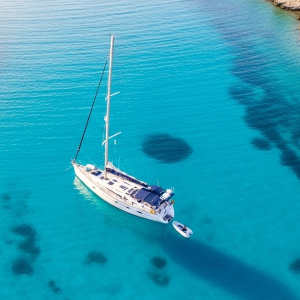
From my own experience, one thing I've found invaluable in my liveaboard sailboat (which doubles as my bug-out location) is the incorporation of solar panels. These can also be a great addition to a land-based emergency shelter as they provide a renewable energy source, suitable for powering essential devices and lighting systems.
I also recommend investing in a good quality water filtration system, not just for drinking water but also for potential uses in sanitation and hygiene. Remember, in a survival scenario, water is life.
Lastly, I'd echo the importance of regular maintenance mentioned in the article, but would also add the need for regular practice. It's one thing to construct an emergency shelter, but another to be able to do so quickly and efficiently under pressure. Regular drills, where you set up and break down your shelter, will ensure you're well prepared when the SHTF.
Again, great article! I look forward to exploring more of your content.
#ShelterBuilding #PrepperTips #SurvivalSkills
One additional point I'd suggest for those in coastal or island regions like myself, is to consider the potential for tidal surges or flooding in your shelter location assessment. This is particularly relevant if you're planning a semi-permanent structure.
From my own experience, one thing I've found invaluable in my liveaboard sailboat (which doubles as my bug-out location) is the incorporation of solar panels. These can also be a great addition to a land-based emergency shelter as they provide a renewable energy source, suitable for powering essential devices and lighting systems.
I also recommend investing in a good quality water filtration system, not just for drinking water but also for potential uses in sanitation and hygiene. Remember, in a survival scenario, water is life.
Lastly, I'd echo the importance of regular maintenance mentioned in the article, but would also add the need for regular practice. It's one thing to construct an emergency shelter, but another to be able to do so quickly and efficiently under pressure. Regular drills, where you set up and break down your shelter, will ensure you're well prepared when the SHTF.
Again, great article! I look forward to exploring more of your content.
#ShelterBuilding #PrepperTips #SurvivalSkills
Please Log in or Create an account to join the conversation.

10 months 1 week ago #538
by SailorSam
Replied by SailorSam on topic Building a DIY Emergency Shelter: Tips and Tricks
Ahoy there! As an old salt with a deep-seated love for the sea and many years of prepping under my belt, I must say, your guide to building a DIY emergency shelter is as comprehensive as they come. It surely echoes the mantra of preparedness that I've been advocating for years.
However, as a sailor, I'd like to add a maritime twist to the conversation. While the focus here is on land-based shelters, I want to remind my fellow preppers of the potential of sea-based alternatives. Think of a sailboat as a floating emergency shelter. It's mobile, self-sufficient, and can be designed to withstand extreme weather conditions. A well-equipped sailboat can offer you a reliable bug-out solution, just as my trusty 40-foot sloop does for me.
In fact, many of the principles you've discussed here have their counterparts in marine survival. For instance, you talk about assessing your needs — in a boat, this translates to considering your boat's capacity, the number of crew members, and the supplies you can carry. Similarly, planning and preparation involve maintaining your boat, checking weather conditions, and having a sailing route planned out.
As for the construction techniques, boats require their own set of skills, but many are transferable. Anchoring and stability, for instance, are just as crucial at sea as they are on land. And just like a land-based shelter, your floating home should be equipped with the essential supplies, including non-perishable food, a water desalination system, and a first aid kit.
So for those with a love for the sea, why not consider a sailboat as your emergency shelter? It's a different kind of preparedness, but one that offers its own sense of security and freedom.
Stay prepared, mates, and remember - whether on land or sea, it's the readiness that counts! #SailingPrepper #MaritimeSurvival
However, as a sailor, I'd like to add a maritime twist to the conversation. While the focus here is on land-based shelters, I want to remind my fellow preppers of the potential of sea-based alternatives. Think of a sailboat as a floating emergency shelter. It's mobile, self-sufficient, and can be designed to withstand extreme weather conditions. A well-equipped sailboat can offer you a reliable bug-out solution, just as my trusty 40-foot sloop does for me.
In fact, many of the principles you've discussed here have their counterparts in marine survival. For instance, you talk about assessing your needs — in a boat, this translates to considering your boat's capacity, the number of crew members, and the supplies you can carry. Similarly, planning and preparation involve maintaining your boat, checking weather conditions, and having a sailing route planned out.
As for the construction techniques, boats require their own set of skills, but many are transferable. Anchoring and stability, for instance, are just as crucial at sea as they are on land. And just like a land-based shelter, your floating home should be equipped with the essential supplies, including non-perishable food, a water desalination system, and a first aid kit.
So for those with a love for the sea, why not consider a sailboat as your emergency shelter? It's a different kind of preparedness, but one that offers its own sense of security and freedom.
Stay prepared, mates, and remember - whether on land or sea, it's the readiness that counts! #SailingPrepper #MaritimeSurvival
Please Log in or Create an account to join the conversation.

6 months 3 weeks ago #699
by JThorn
Replied by JThorn on topic Building a DIY Emergency Shelter: Tips and Tricks
Great article! It really nails the essentials for building a DIY emergency shelter. I love how it emphasizes assessing your needs first. It’s so easy to jump into construction without considering what’s actually needed for your specific situation.
I think a key point is choosing the right design. Not everyone needs a fancy structure; sometimes a simple tarp setup can do the job, especially for short-term emergencies. I also appreciate the focus on safety and securing your shelter. Wildlife and pests can be a real hassle if you're not careful.
I’d add that practicing your setup can help too. There's nothing worse than fumbling around in the dark when an emergency hits. And don’t forget about routine maintenance—keeping everything in check can save you a lot of headaches down the line.
Overall, this is a solid guide for anyone looking to be self-sufficient and prepared. Let's hope we never need to use these skills, but it’s smart to be ready! 🏕️
I think a key point is choosing the right design. Not everyone needs a fancy structure; sometimes a simple tarp setup can do the job, especially for short-term emergencies. I also appreciate the focus on safety and securing your shelter. Wildlife and pests can be a real hassle if you're not careful.
I’d add that practicing your setup can help too. There's nothing worse than fumbling around in the dark when an emergency hits. And don’t forget about routine maintenance—keeping everything in check can save you a lot of headaches down the line.
Overall, this is a solid guide for anyone looking to be self-sufficient and prepared. Let's hope we never need to use these skills, but it’s smart to be ready! 🏕️
Please Log in or Create an account to join the conversation.
- SailorAvery
-

- Offline
- Junior Member
-
Less
More
- Posts: 27
- Thank you received: 0
3 months 2 weeks ago #949
by SailorAvery
Replied by SailorAvery on topic Building a DIY Emergency Shelter: Tips and Tricks
This article is packed with some solid tips for building a DIY emergency shelter! 🌧️ As someone who's spent plenty of nights on the water, I totally get the importance of having a reliable structure when the unexpected hits.
Assessing your needs first is key, especially if you're in a place prone to certain disasters. I think the part about evaluating your climate is super crucial—like, if you're in a rainy area, waterproofing is non-negotiable!
The construction techniques mentioned really resonate with me. Choosing a good site is everything, whether you’re out sailing or setting up a temporary base. I’ve learned the hard way about securing things properly—nothing worse than waking up to a blown-away tent!
Also, can’t stress enough on maintaining your gear. Regular checks can save you a lot of trouble later on. Overall, this is a great guide for anyone looking to get prepped. Stay safe out there! 🛠️
Assessing your needs first is key, especially if you're in a place prone to certain disasters. I think the part about evaluating your climate is super crucial—like, if you're in a rainy area, waterproofing is non-negotiable!
The construction techniques mentioned really resonate with me. Choosing a good site is everything, whether you’re out sailing or setting up a temporary base. I’ve learned the hard way about securing things properly—nothing worse than waking up to a blown-away tent!
Also, can’t stress enough on maintaining your gear. Regular checks can save you a lot of trouble later on. Overall, this is a great guide for anyone looking to get prepped. Stay safe out there! 🛠️
Please Log in or Create an account to join the conversation.
Time to create page: 0.341 seconds